

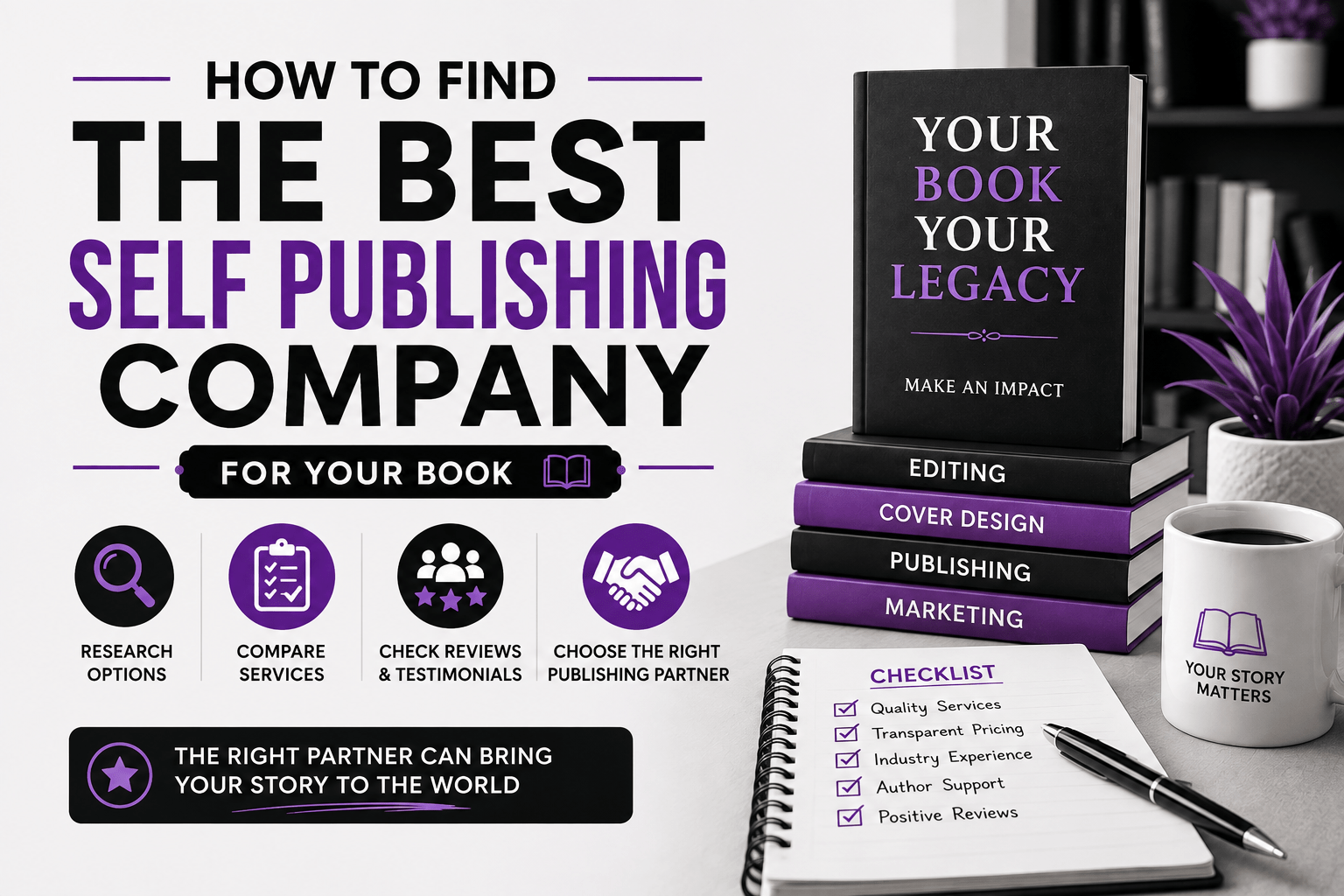
Finishing a manuscript is hard work. Picking the right publisher decides whether that work actually reaches readers or gets buried under bad formatting and broken promises.
The self-publishing industry is full of companies making big claims. Some follow through. Others take your money and disappear once the book is technically live. The difference usually comes down to a few things you can check before you sign anything.
What a Real Publisher Actually Does
Uploading a file to Amazon isn’t publishing, it’s a formality. A publisher worth paying for guides you through editing, cover design, formatting, and distribution, and stays involved after the book goes live. Before signing, ask what happens after launch day. Do they help with promotion? Will someone still answer your emails a month later? Their answer usually tells you more than anything on their sales page.
Editing Is Where Books Get Made or Broken
Weak editing undoes good writing. A publisher who treats editing as an afterthought isn’t doing you any favors, since it’s the editing that fixes pacing, tightens the story, and catches the mistakes you stopped noticing after your tenth read-through. Ask for a sample edit before committing to a full package. It shows you exactly how the team handles your voice, not just how they describe their process.
Contracts matter just as much. Some publishers quietly hand themselves rights to your book, or take a larger cut of royalties than they should. Read every line, and if a publisher can’t explain their terms in plain language, take that as your answer.

Marketing and Design Decide Whether Anyone Reads It
A book with no plan behind it rarely sells, regardless of how good it is. Ask what a launch plan actually includes: audience targeting, reviewer outreach, author branding, or just a couple of generic posts. Vague answers point to vague results.
The same goes for design. Readers judge books by their covers, and a cover that looks amateur costs you sales before anyone reads a page. Ask to see past work across different genres, since a style built for a business book won’t work for a novel.
Costs Should Never Be a Surprise
Some companies quote a low starting price, then add charges for extra editing rounds, formatting changes, or basic support later. Get a full breakdown in writing before paying a deposit, and ask directly if that quote is final. A publisher who avoids that question is one to walk away from.
Where The Apex Publishing Fits In
At The Apex Publishing, our process is built around what authors actually need: honest editorial feedback, book writing services for authors who want more hands-on support, cover design that fits the genre, and marketing that goes beyond a single post.
Our self-publishing services take you from a rough manuscript to a finished, market-ready book, with no hidden fees and no vague timelines. If you’re still deciding, talk to our team about where your manuscript stands and what the right next step looks like.